
 +86 15166057722



0102030405
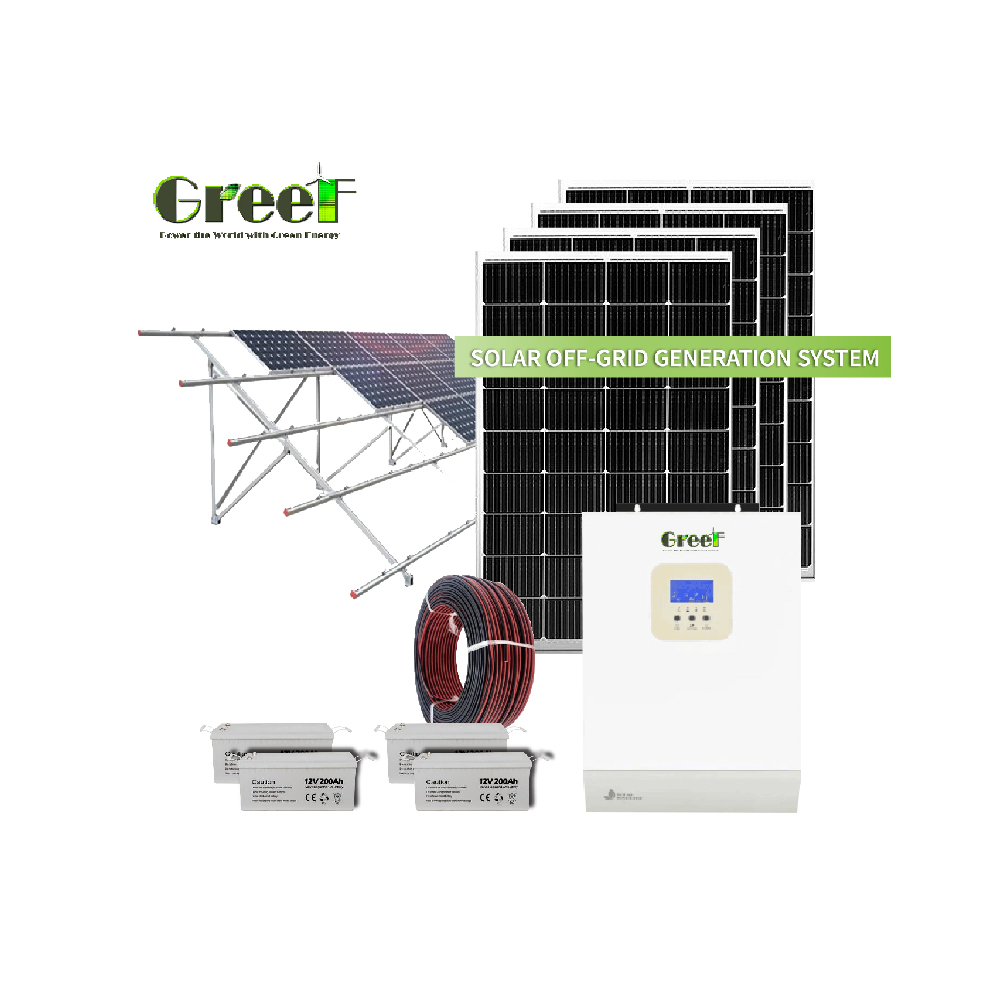
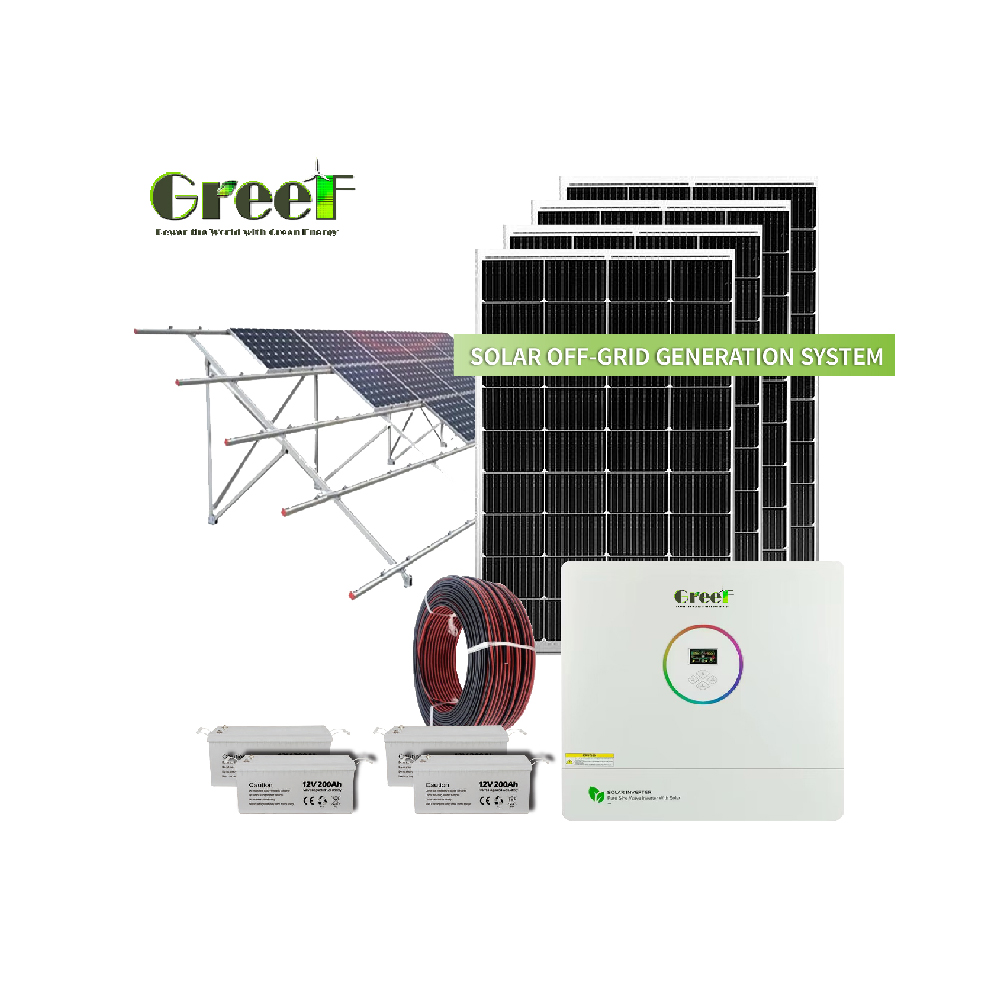
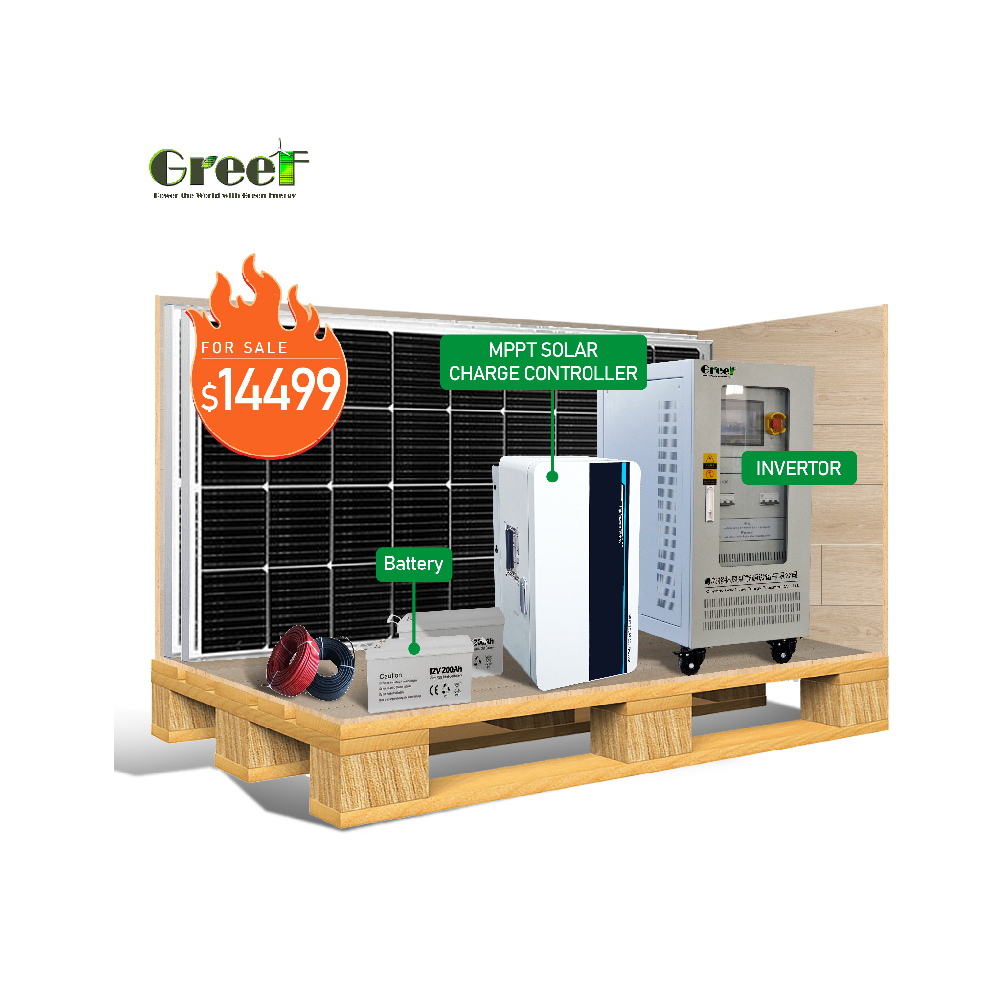
High-Efficiency Off-Grid Solar Energy Systems - Customized Solutions from China Suppliers and Factory (5-5000Kw)
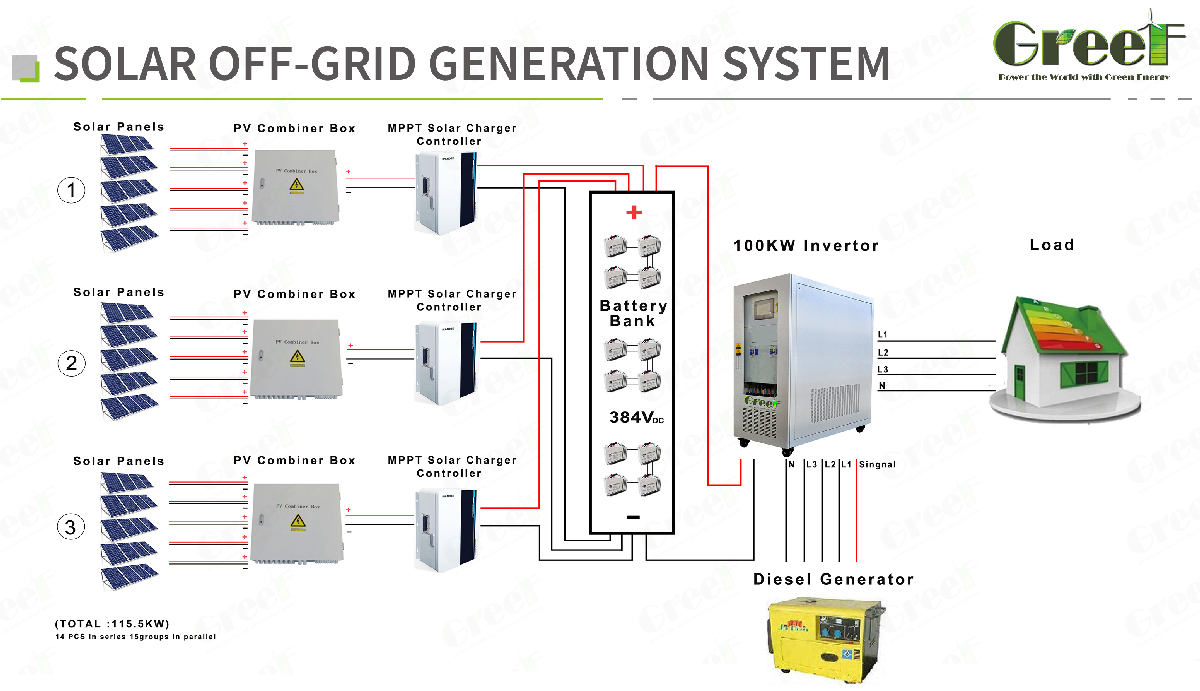
How It Works
1
Energy Harvesting
Solar panels generate DC electricity during daylight.
2
Battery Charging
Charge controller directs power to batteries while optimizing voltage.
3
Storage
Energy is stored in the battery bank for later use.
4
Power Conversion
Inverter transforms DC into AC electricity for appliances.
5
Load Management
Prioritizes critical loads (e.g., refrigeration, lighting) during low energy.
Advantages
1. Complete Energy Independence: Zero reliance on the grid.
2. Operational in Remote Areas: Ideal for cabins, farms, boats, RVs, and rural communities.
3. Resilience: Immune to grid outages, natural disasters, or utility price hikes.
4. Zero Electricity Bills: Eliminates monthly utility costs after initial investment.
5. Low Environmental Impact: Silent, emission-free operation.
Application
Remote mountainous areas, powerless areas, islands, communication base stations, street lights, etc.
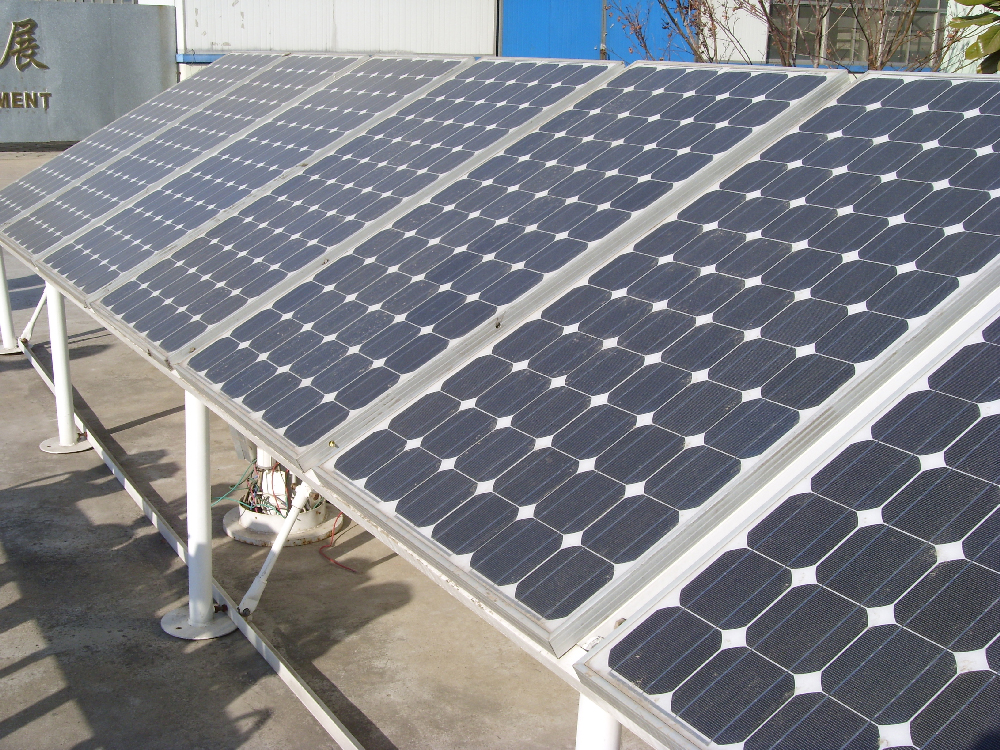
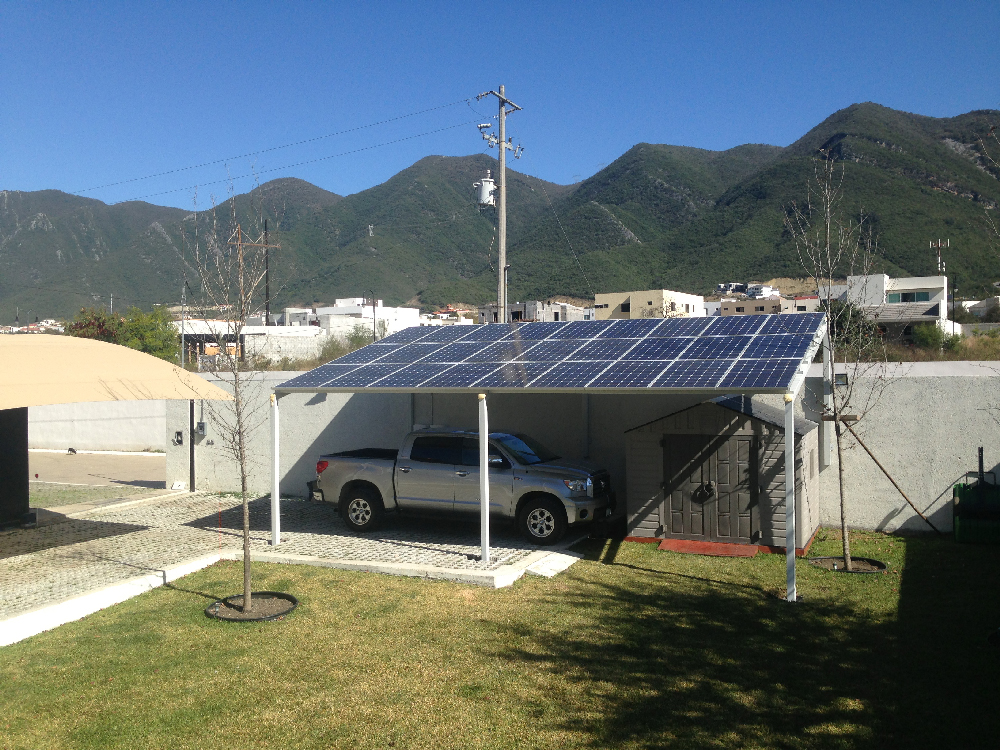
System Solution
In addition to grid-tied solar systems, we can also customize off-grid, hybrid solar systems.
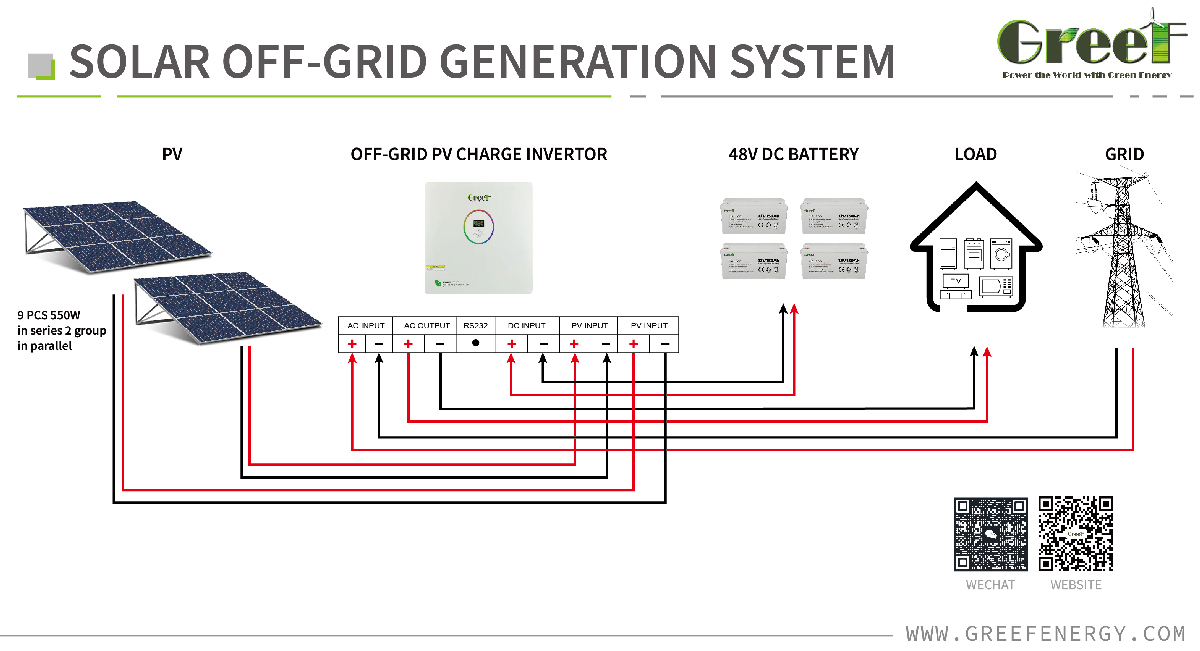
Off-Grid System

Grid-Tied System

Hybrid System
Frequently Asked Questions
What is the main difference between off-grid, grid-tied, and hybrid solar systems?
Off-grid systems operate completely independently of the utility grid using battery storage. Grid-tied systems connect directly to the public grid without mandatory battery storage, while hybrid systems combine both capabilities to store energy and interact with the utility grid simultaneously.
How do solar systems provide power at night or during continuous cloudy days?
During daylight hours, excess power generated by solar panels is stored in high-capacity battery banks. The inverter then draws from this stored energy to supply continuous AC electricity during nighttime and periods of low sunlight.
Can an off-grid solar system run heavy-duty household appliances?
Yes. By properly sizing the inverter capacity and battery bank, off-grid systems can reliably power inductive and high-load appliances such as air conditioners, water pumps, refrigerators, and power tools.
What is the typical lifespan of solar panels and energy storage systems?
High-efficiency solar panels generally offer an operating lifespan of 25 years or more. Modern lithium battery storage systems typically last between 10 to 15 years depending on cycle frequency and depth of discharge.
What maintenance is required for remote solar installations?
Solar systems require minimal maintenance. Routine operations include keeping the panel surfaces clear of dust and debris, checking cable connections periodically, and monitoring system status through integrated charge controllers or monitoring units.
How do I determine the right system size for my requirements?
System sizing depends on your total daily power consumption (kWh), peak power draw (kW), geographic location (peak sun hours), and desired days of battery autonomy. Custom configurations can be calculated to match exact power demands.
Get in touch
We're Ready To Assist You Anytime